
How Cast A Thought Brings the Mental Health Foundation’s Findings to Life in the Communities we work in

The Mental Health Foundation’s latest national report highlights a clear message: prevention, early intervention, and community‑led support are essential to improving mental health across the UK. Programmes that focus on strengthening wellbeing for children, young people, adults and communities through evidence‑informed, accessible approaches that reduce isolation and help people build resilience are key to improving the nations mental health.
Cast A Thought is already delivering exactly this kind of impact on the ground. Through inclusive angling‑based wellbeing programmes, lived‑experience leadership, and strong partnership working, we translate national research into practical, relational, local action.
1. Prevention and Early Intervention: A Shared National Priority
The Mental Health Foundation emphasises that preventing mental health problems requires early, community‑based support, especially for children, young people and adults facing disadvantage or isolation .
Cast A Thought’s programmes—such as Catch and Connect, Fish and Chat, and Fish Fest—provide exactly this kind of early, strengths‑based intervention. These sessions offer calm, structured environments where people can explore their wellbeing, learn new skills, and build confidence long before they reach crisis point.
Catch and Connect supports young people aged 11–17 to understand their mental health through workshops and angling activities.
Fish and Chat reduces isolation for adults with mental‑health challenges or long‑term conditions, combining gentle activity with social connection over a cuppa and cake.
Fish Fest, delivered with Kent Police and partners, supports young people at risk of antisocial behaviour by offering positive pathways and trusted relationships .
These programmes mirror the Foundation’s call for accessible, community‑rooted prevention.
2. Tackling Social Isolation Through Connection and Nature
The Foundation’s research shows that social isolation is one of the strongest predictors of poor mental health, and that community‑based activities can significantly reduce loneliness and improve wellbeing.
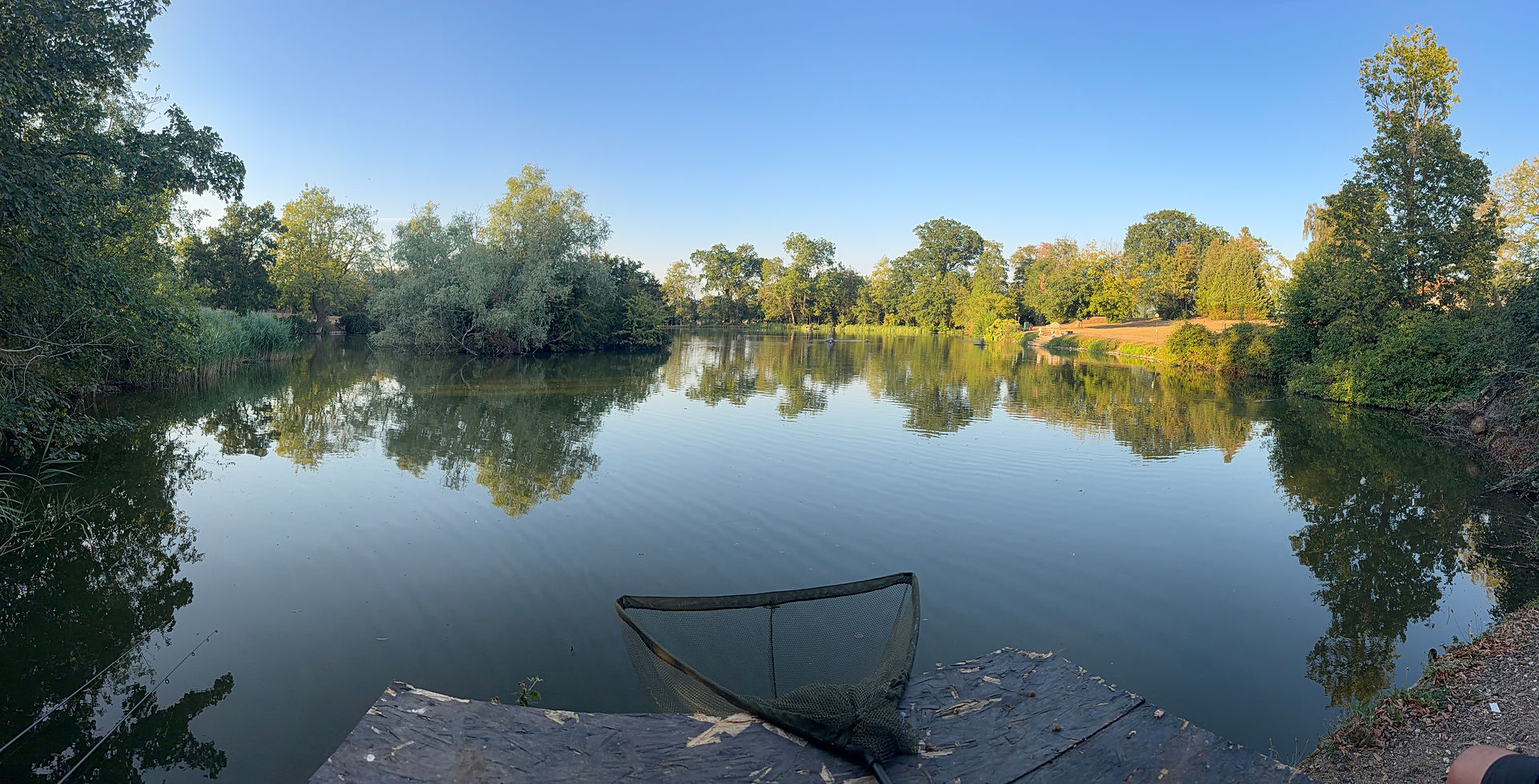
Cast A Thought directly addresses this by creating safe, welcoming spaces where people can connect through shared activity. Angling provides a naturally calming environment, while the social elements—conversation, shared learning, peer support—build belonging and trust.
This aligns with the Foundation’s emphasis on community connection as a protective factor for mental health.
3. Lived Experience as a Core Strength
The Mental Health Foundation champions approaches shaped by the voices and experiences of people who have lived through mental‑health challenges.
Cast A Thought embodies this principle. Lived experience is embedded “into every layer of our work,” from leadership to volunteers to young leaders . Many of those delivering sessions have themselves faced anxiety, isolation, neurodiversity, or difficult life transitions.
This creates:
Authentic empathy
Non‑judgemental support
Relatable role models
Stronger participant trust
It also enables powerful progression routes: around 60% of volunteers began as participants. This reflects the Foundation’s belief that lived experience strengthens community resilience and improves outcomes.
4. Supporting Children, Young People and Families
The Mental Health Foundation runs targeted programmes for children, young people and parents, recognising the importance of early support and positive relationships .
Cast A Thought contributes to this national agenda through:
Catch and Connect (youth wellbeing and self‑development)
Holiday Activities and Food (HAF) programmes providing healthy meals, outdoor activity and learning for children from low‑income families
Fish Fest, offering diversionary support for young people at risk
School partnerships, delivering primary‑age outdoor learning and wellbeing sessions
These programmes give young people safe spaces to build confidence, develop coping strategies, and form positive relationships—key protective factors highlighted in national research.
5. Supporting Adults and People with Long‑Term Conditions
The Foundation’s work with adults focuses on helping people understand and improve their mental health through accessible, community‑based programmes.
Cast A Thought’s Fish and Chat sessions mirror this approach by supporting adults with:
Anxiety
Depression
Long Term Health Conditions
Social Isolation
These sessions combine gentle physical activity, nature, and social connection—three evidence‑based contributors to improved wellbeing.
6. Building Sustainable, Community‑Led Models
The Mental Health Foundation stresses the importance of sustainable, evidence‑informed programmes delivered in partnership with communities and local systems.
Cast A Thought is a strong example of this in practice:
Working with local government, police, schools, health partners and community organisations to deliver joined‑up support
Ensuring accessibility, with equipment, bait and licences provided
Embedding environmental stewardship and responsible angling practices
Creating progression routes into volunteering and leadership
Designing programmes that are replicable, scalable and community‑owned
This reflects the Foundation’s call for long‑term, community‑driven solutions rather than short‑term interventions.
Conclusion: Turning National Insight Into Local Impact
The Mental Health Foundation’s reports make clear that the future of mental‑health support lies in prevention, community connection, lived experience, and access ible programmes rooted in everyday life.
Cast A Thought brings these principles to life across Kent, Medway and Essex.
By combining the therapeutic power of nature with skilled, empathetic, lived‑experience‑led support, Cast A Thought is delivering the kind of practical, relational, preventative mental‑health work that national research calls for—and that communities urgently need.


Comments